

Choosing a school is one of the most important decisions a family makes. A school shapes far more than academic results: it influences a child’s confidence, friendships, habits, values, interests, and preparation for life after graduation. For parents comparing a private school in Lebanon, the challenge is not simply to find the school with the longest list of programs. It is to find the environment that fits the student today and can continue supporting that student as needs and ambitions evolve.
The strongest decision usually comes from looking at the whole educational journey. Academic quality matters, but so do student support, school culture, future pathways, communication with families, and opportunities to connect learning with real life. The following questions can help parents evaluate schools more clearly and choose with long-term confidence.
Start With Your Child’s Individual Needs
Before comparing campuses, programs, or tuition, begin with the student. Consider how your child learns best, what motivates them, where they need support, and which environments help them feel secure enough to participate and grow.
A highly structured learner may thrive with clear routines and close academic follow-up, while another student may respond better to project-based work, discussion, creativity, or practical challenges. Parents should also consider language strengths, social confidence, extracurricular interests, and whether a school has the flexibility to support different learning profiles.
The right school is not necessarily the school that looks most impressive on paper. It is the school where your child can be known, challenged appropriately, and supported consistently.
Look Beyond Examination Results
Strong examination results can be a useful indicator, but they should not be the only measure of educational quality. Ask how the school helps students reach those results. Effective learning should build understanding, critical thinking, communication, research skills, and independence rather than relying only on memorization.
Parents can ask how progress is monitored, how teachers respond when a student falls behind, and whether feedback is frequent enough to guide improvement. It is also useful to understand how the school challenges high-performing students without creating an unhealthy culture of pressure.
A balanced academic environment should help students achieve while still developing curiosity and confidence as learners.
Understand the Academic Pathways Available
Secondary-school choices can affect university options later, so parents should understand what academic pathways are available before a student reaches the final years of school. In Lebanon, families may be considering the Lebanese Baccalaureate, international credentials, or a combination of both.
Ask when students choose a pathway, how counseling is provided, whether switching pathways is possible, and how each option connects to university admissions in Lebanon and abroad. A school that offers multiple pathways should also be able to explain the purpose of each one clearly rather than presenting one route as suitable for every student.
Universal School, for example, offers Lebanese and international pathway options in the secondary years, including the Ontario Secondary School Diploma (OSSD) through its partnership with Rosedale International Education. The important question for parents is how each pathway aligns with the student’s goals.
Think About University Preparation Before Grade 12
University preparation should not begin only when applications open. Students benefit from earlier guidance on subject choices, academic records, entrance requirements, personal interests, and possible career directions.
When evaluating a private school in Lebanon, ask how the school approaches academic and university counseling. Does guidance begin early enough to influence course choices? Are students introduced to universities and different fields of study? Do families receive help understanding local and international application systems?
Early planning reduces last-minute decisions and gives students time to build a profile that reflects their genuine strengths.
Visit the School and Observe the Learning Environment
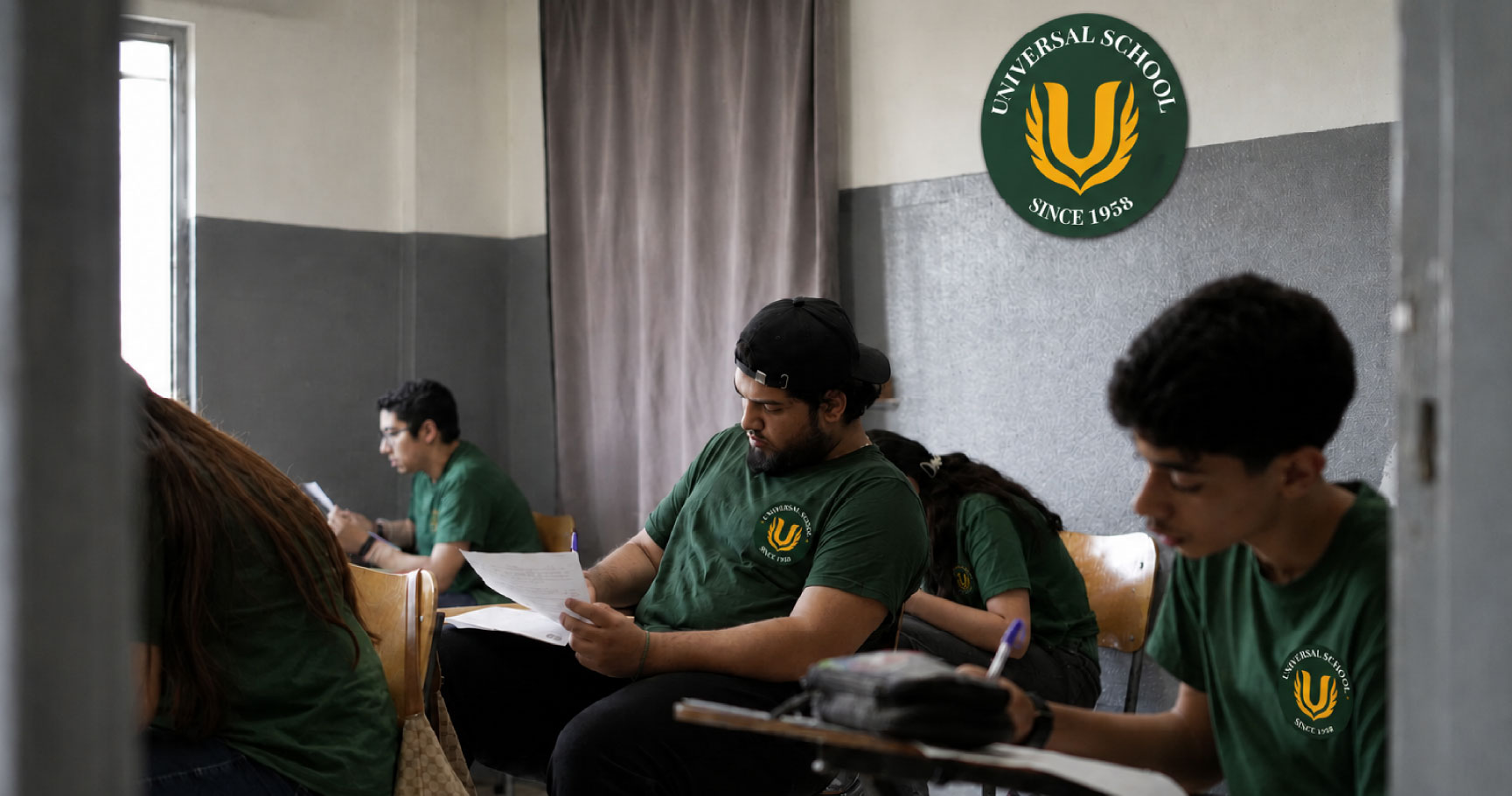
A website can explain a school’s programs, but an in-person visit reveals how the school feels. During a visit, observe how students and adults interact, whether classrooms appear purposeful and engaged, and whether the atmosphere feels respectful and organized.
Parents can also ask to see learning spaces, technology resources, laboratories, sports or activity areas, and student work. The goal is not to judge a school by decoration. It is to understand whether the physical and social environment supports learning.
A useful visit should also give parents the opportunity to ask specific questions rather than only hearing a general presentation.
Ask How the School Supports Different Learners
Every class includes students with different strengths, challenges, and learning speeds. A strong school should have a clear process for identifying needs, communicating with parents, and providing academic or pastoral support when necessary.
Ask how teachers differentiate instruction, how learning gaps are addressed, and what happens when a student needs additional support. Equally, ask how students who are ready for greater challenge are extended. Support should not be limited to remediation; it should help every learner make meaningful progress.
Pay Attention to School Culture
Culture is one of the most important factors in a child’s daily experience. Policies can be written well, but the real question is how students are treated and what behavior is modeled every day.
Look for signs of respect, responsibility, inclusion, kindness, and constructive discipline. Ask how the school handles bullying, conflict, attendance, and communication with parents. Students learn from the values they see practiced around them, not only from values written on a wall.
A healthy school culture creates the security students need to take academic risks, ask questions, and build positive relationships.
Look Beyond the Classroom
Education also happens through sports, arts, clubs, community initiatives, leadership roles, competitions, and collaborative projects. These experiences can help students discover interests and develop skills that traditional assessments do not always capture.
When comparing schools, consider whether activities are meaningful and accessible to a wide range of students. A strong extracurricular program should create opportunities for participation, teamwork, creativity, and responsibility rather than serving only a small group of top performers.
Choose a School Where Learning Connects With Real Life
Students increasingly need to apply knowledge, not simply recall it. Project-based learning, entrepreneurship, research, presentations, technology, and community engagement can help students connect classroom concepts with real problems.
This matters because universities and employers value communication, collaboration, initiative, problem-solving, and the ability to learn independently. A school that deliberately develops these skills can help students become more adaptable and confident beyond examinations.
Choose a School That Can Grow With Your Child
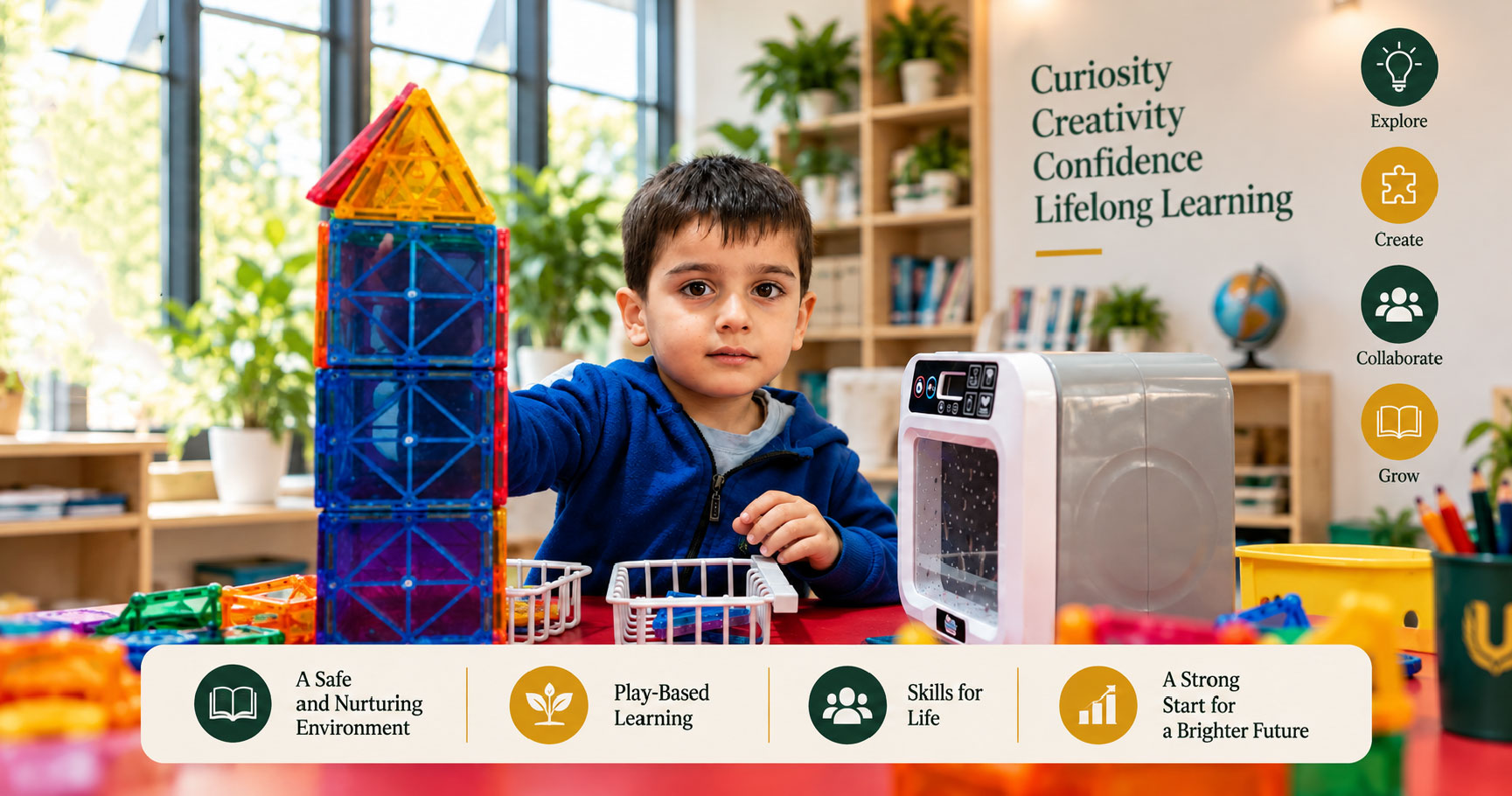
A family choosing a K-12 school is making a long-term decision. The right environment for a six-year-old must also be capable of supporting that student as academic demands, interests, and future plans change.
Parents should look at the full progression: early foundations, middle-school transition, secondary pathways, counseling, and preparation for university or other post-secondary options. Consistency matters, but so does the school’s ability to evolve with the student.
Include Your Child in the Decision
Parents carry the responsibility for school choice, but students should have an age-appropriate voice in the process. Ask what they noticed during a visit, what made them comfortable, what worried them, and which learning opportunities attracted them.
Including students does not mean leaving the decision entirely to them. It helps parents understand the experience from the child’s perspective and can create stronger commitment to the final choice.
Choosing a School Means Choosing an Educational Journey
There is no single private school in Lebanon that is right for every child. The best choice is the one that offers the right combination of academic quality, student support, values, opportunities, and future pathways for your family’s priorities.
Take time to compare schools carefully, visit in person, ask detailed questions, and think beyond the next academic year. A thoughtful choice should help your child build strong foundations today while keeping future possibilities open. Families exploring Universal School in Aramoun can also speak with the admissions team about its K-12 approach, academic pathways, and student support before making a decision.